Your pet's behaviours, explained
Ever wonder why some dogs are naturally friendly toward strangers while others appear fearful? Or why some are more prone to weight gain or motion sickness? Genetics can play a role in certain behaviours. By analysing your dog's DNA and determining their predispositions for 25+ behaviours, you can understand their quirks and tailor your approach to their training and care.
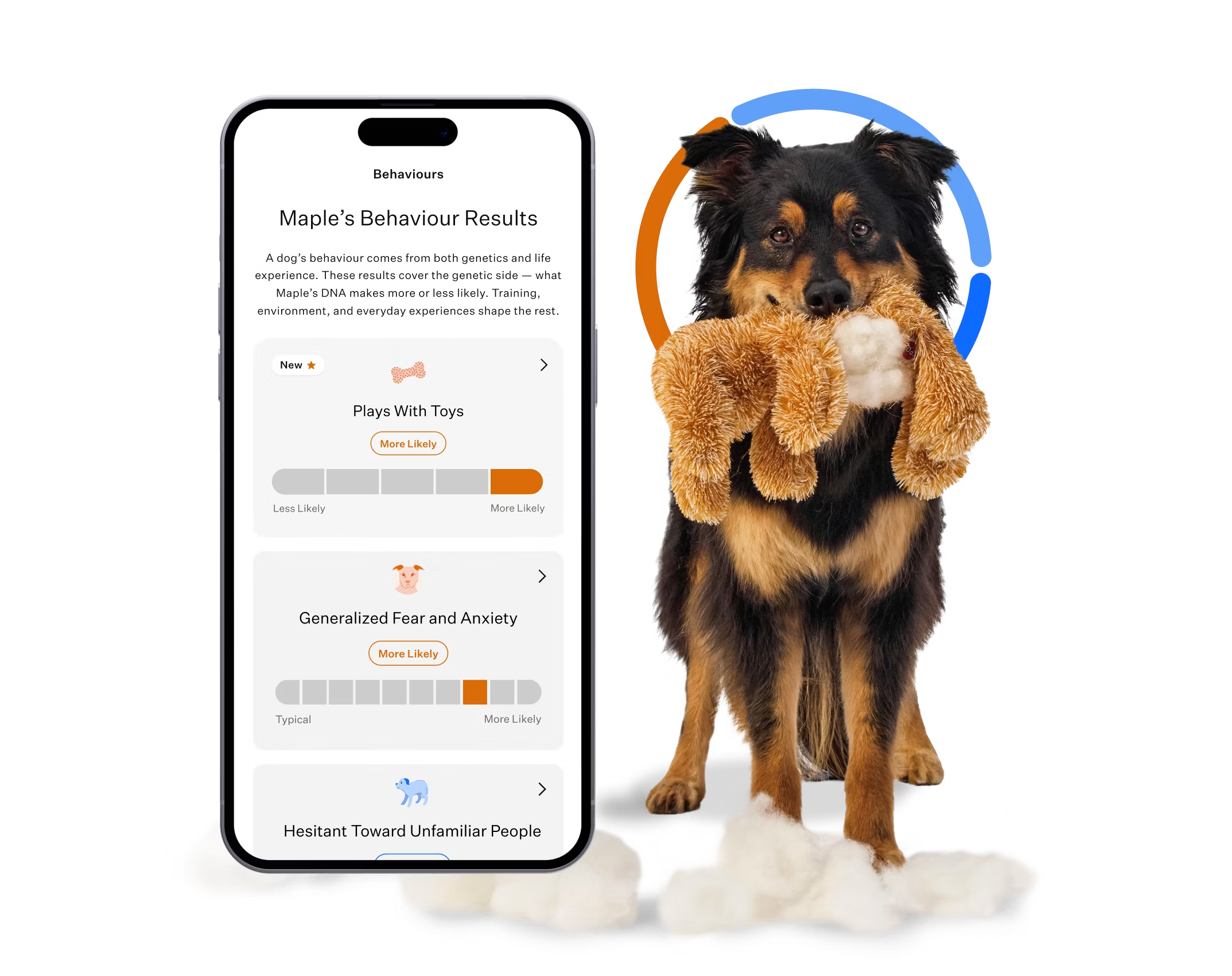

Understanding behavioural predispositions
The way a dog behaves is the result of both nature and nurture. In other words, genetics provide a foundation for certain behaviours, and a dog’s environment and experiences influence their personality and how they act. Wisdom Panel’s behaviour insights are based on veterinary medical records, our community science research, and our database of more than 5 million pets. These inputs allow us to identify genetic links to your dog’s tendencies so you can better understand your pet and the care they need to thrive.
Why behaviour insights are helpful
By uncovering your dog’s behavioural predispositions, you can better anticipate challenges and adapt your approach to meet their needs. For example, knowing that your pup is prone to anxiety allows you to make smarter decisions about their environment, training, and how you introduce them to other people and pets. And the better you understand your dog and their unique personality, the stronger the bond you’ll share with them.
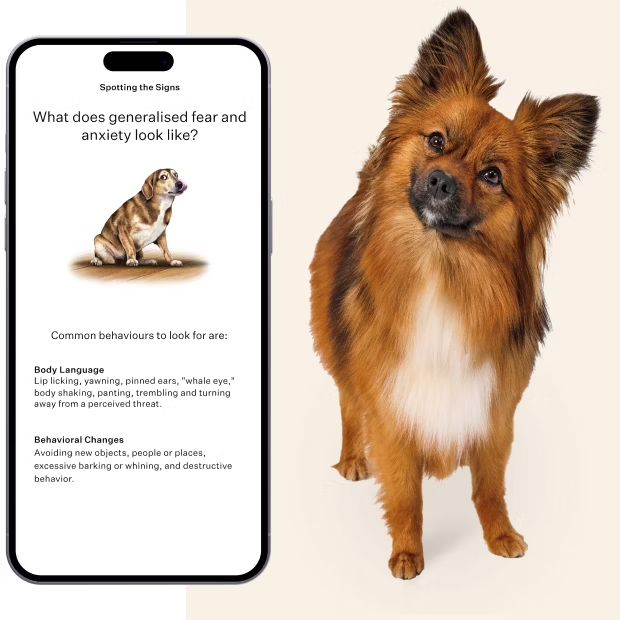

Wisdom Panel’s NEW behaviour insights
We’ve added 13 additional behaviour tests, giving you 25+ ways to decode your dog’s personality. Plays with toys Plays with dogs Seeks constant activity Retrieving instinct Hesitant at the veterinarian Focuses on tasks Howls to music Licks people Hesitant when groomed Boisterous Bores quickly while playing Sneaks out open doors Chases prey Other behavior insights offer clues into sociability, anxiety, sleeping positions, and more!
Behaviours results in action