Why genetic testing is important
Genetic testing allows you to know your pet's health on a deeper level. Because many diseases have genetic markers, analysing your pet's DNA can indicate if they have the potential to develop a condition or pass it on to future generations. Plus, your pet's DNA sample helps fuel Wisdom Panel's scientific research. That means your pet could play a role in advancing diagnosis, treatment, and prevention of diseases.

Understanding your pet’s genetic health
Understanding your pet's genetic health
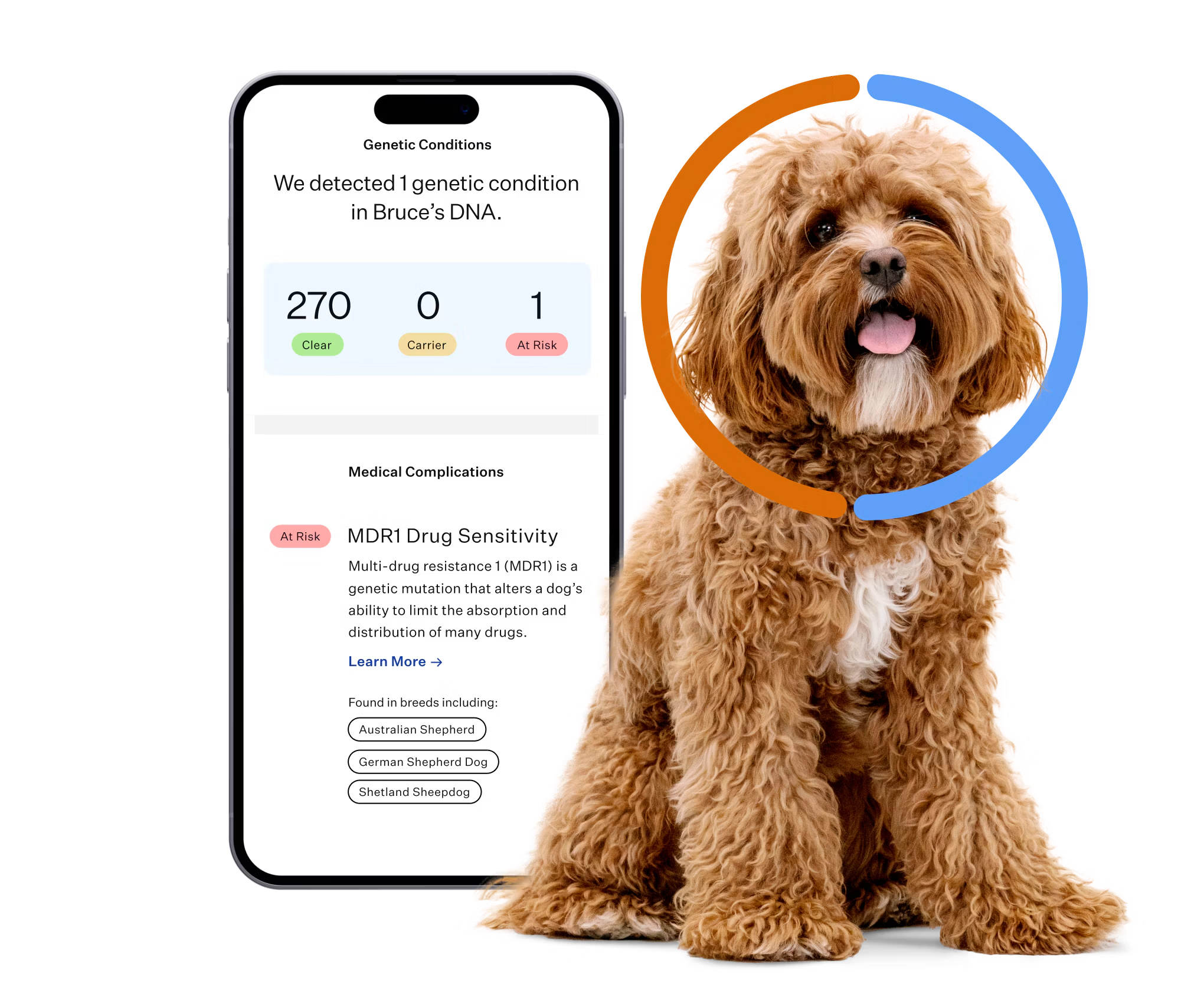
Did you know some dogs and cats have a genetic mutation that makes them sensitive to certain commonly used medications? That’s just one example of a genetic health concern that can be identified through DNA testing. And when you know if your pet is at a higher risk of a health condition, you and your veterinarian can take a proactive approach to their care. That means recommendations on nutrition, treatments, and lifestyle can all be personalised to your unique pet.
Did you know some dogs and cats have a genetic mutation that makes them sensitive to certain commonly used medications? That's just one example of a genetic health concern that can be identified through DNA testing. And when you know if your pet is at a higher risk of a health condition, you and your veterinarian can take a proactive approach to their care. That means recommendations on nutrition, treatments, and lifestyle can all be personalised to your unique pet.
Our science
Our science
Wisdom Panel used a proprietary laboratory chip to genotype your pet’s DNA and analyse the sample for the hundreds of genetic markers used in our health tests. These results are further analysed using bioinformatics to develop unique risk profiles for your pet — giving you the information you need to make decisions for their life-long care.
Wisdom Panel used a proprietary laboratory chip to genotype your pet's DNA and analyse the sample for the hundreds of genetic markers used in our health tests. These results are further analysed using bioinformatics to develop unique risk profiles for your pet — giving you the information you need to make decisions for their life-long care.
Wisdom Panel Premium has over 270+ tests for health conditions
2,8-dihydroxyadenine (DHA) urolithiasis is a genetic disorder caused by a mutation in the APRT gene. A defective APRT enzyme can result in the formation of 2,8-dihydroxyadenine (DHA) urinary stones which can lead to urinary tract obstruction.
Acral Mutilation Syndrome (AMS) causes insensitivity to pain, leading to a tendency to lick or bite paws excessively. This often results in loss of toenails, fractures, and toe amputation.
Acute respiratory distress syndrome (ARDS) is a rare, life-threatening disorder that causes a rapid severe respiratory failure that is unresponsive to treatment.
Alaskan Husky Encephalopathy (AHE) is a severe, early-onset disorder of the nervous system that causes wide-ranging clinical signs, including seizures, behavioral changes, and incoordination.
Alexander disease is a rare, fatal neurological disease, causing progressive weakness in all limbs.
Amelogenesis Imperfecta (AI) is a disorder that affects the hard enamel coating of the teeth. Dogs with this condition suffer from enamel thinning and roughening and discoloration of the teeth.
Amelogenesis Imperfecta (AI), also known as enamel hypoplasia, is a disorder where the hard enamel covering of the teeth is thin, roughened, and discolored. Please note, the genetic variant tested by Wisdom is currently under research for association of AI in the Lancashire Heeler with a scientific manuscript in preparation.
Amelogenesis imperfecta (AI), also known as enamel hypoplasia, is a disorder where the hard enamel covering of the teeth is thin, roughened and discolored.
Bandera's Neonatal Ataxia (BNA), discovered in the Coton de Tulear, is a severe brain problem that affects a puppy's ability to move its body properly.
Benign Familial Juvenile Epilepsy (BFJE) is a neurological disorder causing epileptic seizures.
Bernard-Soulier Syndrome (BSS) is a bleeding disorder in which platelets cannot bind together normally, leading to delayed blood clotting. The condition is characterized by larger than normal platelets and variably low platelet numbers, known as macrothrombocytopenia. The associated genetic variant has been identified in the Cocker Spaniel.
Canine Congenital Stationary Night Blindness (CSNB) is an inherited, non-progressive eye disorder that is present at birth and limits the ability to see in dim light or darkness. The associated genetic variant has been identified in the Beagle.
Canine Leukocyte Adhesion Deficiency (CLAD) is a disease causing fever, mucosal hemorrhaging, marked dental disease, poor wound healing, and lameness.
Canine Multifocal Retinopathy 1 (CMR1) is an eye disorder that can cause retinal decay which may impact vision, but very rarely results in blindness.
Canine Multifocal Retinopathy 2 (CMR2) is an eye disorder that can cause retinal decay which may impact vision, but very rarely results in blindness.
Canine Multifocal Retinopathy 3 (CMR3) is an eye disorder that can cause retinal decay which may impact vision, but very rarely results in blindness.
Canine Multiple Systems Degeneration (CMSD) is a neurodegenerative disorder that has an early onset and progressively affects walking and motor skills. The associated genetic variant has been identified in the Chinese Crested Dog.
Canine Scott Syndrome (CSS) is a bleeding disorder caused by a hereditary defect affecting blood platelets, which are important in the blood clotting process. This means that clots form more slowly at a site of bleeding.
Cardiomyopathy and Juvenile Mortality is an inherited condition associated with the death of young puppies following nonspecific signs of illness. The associated genetic variant has been identified in the Belgian Shepherd.
Centronuclear Myopathy (CNM) is a type of muscle disease causing weakness and muscle wasting.
Centronuclear Myopathy (CNM) is a type of muscle disease causing weakness and muscle wasting.
Cerebellar Ataxias (CAs) are a group of disorders in which there is a degeneration in the movement center of the brain, known as the cerebellum. The degeneration leads to a lack of coordination in movements.
Cerebellar cortical degeneration (CDD) is a disease causing incoordination and impaired balance.
Cerebellar Hypoplasia (CH) causes difficulty controlling bodily movements (ataxia). The severity of the ataxia can vary between affected dogs and does not worsen with age.
Cerebral Dysfunction is a brain disorder that causes affected puppies to show severe mental depression, odd behaviors, and limb weakness.
Chondrodysplasia is a skeletal disorder that leads to the development of shorter than normal legs.
Chondrodystrophy (CDDY) is a skeletal disorder characterized by shortened limbs and abnormal early degeneration of the spinal discs, or intervertebral disc disease (IVDD), which predisposes to disc herniation.
Cleft Lip & Palate with Syndactyly (CLPS) is a disorder that causes an abnormal hole in the roof of the mouth (cleft palate), a hole between the lip and the nose (cleft lip), and joined toes.
Cleft Palate (CP) a disorder that causes an abnormal hole in the roof (palate) of the mouth. Puppies with this condition can also have a smaller than normal lower jaw bone.
CNS Atrophy with Cerebellar Ataxia (CACA) is a neurological condition characterized by uncoordinated movements and intention tremors beginning at two weeks of age. The associated genetic variant has been identified in the Belgian Shepherd.
Coat Color Dilution and Neurological Defects is a syndrome in which affected puppies demonstrate lighter coat colors and neurologic abnormalities, such as difficulty lifting their head and trouble maintaining upright posture. The associated genetic variant has been identified in the Miniature Dachshund.
Collie Eye Anomaly (CEA) is an ocular disorder characterized by abnormal development of structures in the back of the eye. The most prevalent abnormality is choroidal hypoplasia, in which the blood supply layer of the eye is underdeveloped. The disorder can vary in severity, with some dogs showing only mild blood vessel abnormalities while others experience vision loss due to retinal disease or optic nerve abnormalities. CEA is most commonly found in breeds of herding descent.
Complement 3 Deficiency (C3D) is a disease that causes severe immunodeficiency, leaving affected dogs vulnerable to infections.
Cone Degeneration (CD), also called "day-blindness" is an inherited eye disorder causing light-sensitivity (photophobia) and an inability to see in bright light.
Cone Degeneration (CD), also called "day-blindness" is an inherited eye disorder causing light-sensitivity (photophobia) and an inability to see in bright light.
Cone Degeneration (CD), also called "day-blindness" is an inherited eye disorder causing light-sensitivity (photophobia) and an inability to see in bright light.
Cone-Rod Dystrophy (CRD) is an eye disorder resulting in degeneration of the retina at the back of the eye at a young age, causing progressive vision loss.
Cone-Rod Dystrophy (CRD1) is an eye disorder resulting in degeneration of the retina at the back of the eye at a young age, causing progressive vision loss.
Cone-Rod Dystrophy (CRD2) is an eye disorder resulting in degeneration of the retina at the back of the eye at a young age, causing progressive vision loss.
Congenital Cornification is a rare X-linked dominant skin disorder. Affected females with one copy of the variant have shown striped, symmetrical thickening of the skin and paw pads, lameness associated with paw pad lesions, and stunted growth. The variant is thought to be lethal in affected males and, possibly, females with two copies. The associated genetic variant has been identified in the Labrador Retriever.
Congenital Dyshormonogenic Hypothyroidism (CDH) is a rare condition causing a defect in iodide transport and a subsequent reduction in the synthesis of thyroid hormones, resulting in hypothyroidism and goiter.
Congenital Eye Malformations is a rare disorder that can cause a variety of abnormalities affecting one or both eyes and may impair vision. The associated genetic variant has been identified in the Golden Retriever.
Congenital Hypothyroidism is a disease of insufficient thyroid hormone production. As this hormone is important in many aspects of the metabolism and development, the result is a wide variety of signs including slow growth, dwarfism, and mental impairment.
Congenital Hypothyroidism is a disease of insufficient thyroid hormone production. As this hormone is important in many aspects of the metabolism and development, the result is a wide variety of signs including slow growth, dwarfism, and mental impairment.
Congenital Muscular Dystrophy (CMD) is a progressive muscular disorder characterized by muscle wasting, formation of excess connective tissue in the muscles, and possibly abnormal nerve conduction. The associated genetic variant has been identified in the Italian Greyhound.
Congenital Muscular Dystrophy (CMD) is a progressive muscular disorder characterized by muscle wasting, formation of excess connective tissue in the muscles, and possibly abnormal nerve conduction. The associated genetic variant has been identified in the Staffordshire Bull Terrier.
Congenital myasthenic syndromes (CMSs) are a group of inherited neuromuscular disorders. The CMS in Golden Retrievers is characterized by generalized muscle weakness and abnormal gait. The causative gene for CMS in Golden Retrievers is COLQ.
Congenital Myasthenic Syndrome (CMS) is a neuromuscular disorder causing progressive muscle weakness that is associated with activity. The associated genetic variant has been identified in the Heideterrier.
Congenital Myasthenic Syndrome (CMS) is a neuromuscular disorder. Affected dogs suffer from exercise intolerance and collapse after 5-30 minutes of exercise.
Congenital Myasthenic Syndrome (CMS) is a neuromuscular disorder. Affected dogs suffer from exercise intolerance and collapse after 5-30 minutes of exercise.
Congenital Myasthenic Syndrome (CMS) is a neuromuscular disorder. Affected dogs suffer from exercise intolerance and collapse after 5-30 minutes of exercise.
Congenital Stationary Night Blindness (CSNB) is an eye (retinal) disorder that causes non-progressive or very slowly progressing loss of night vision.
Craniomandibular Osteopathy (CMO), also known as "lion's jaw", is a disorder of the skull where the jaw bones show swelling and thickening, causing pain, drooling, and difficulties in eating.
Craniomandibular Osteopathy (CMO), also known as "lion's jaw," is a disorder of bone growth, with bones of the skull most consistently affected. During the growth period, the jaw bones become swollen and thickened, causing pain, drooling, and difficulty eating. The associated genetic variant has been identified in the Australian Terrier.
Craniomandibular Osteopathy (CMO), also known as "lion's jaw," is a disorder of bone growth, with bones of the skull most consistently affected. During the growth period, the jaw bones become swollen and thickened, causing pain, drooling, and difficulty eating. The associated genetic variant has been identified in the Basset Hound.
Craniomandibular Osteopathy (CMO), also known as "lion's jaw," is a disorder of bone growth, with bones of the skull most consistently affected. During the growth period, the jaw bones become swollen and thickened, causing pain, drooling, and difficulty eating. The associated genetic variant has been identified in the Weimaraner.
Cystic renal dysplasia and hepatic fibrosis is a disorder causing renal (kidney failure) and liver scarring (fibrosis)
Dogs with Cystinuria are not able to reabsorb the amino acid cystine in their kidneys and therefore high concentrations can accumulate in the urinary tract resulting in formation of cystine crystals and stones that can cause obstruction.
Dogs with Cystinuria are not able to reabsorb the amino acid cystine in their kidneys and therefore high concentrations can accumulate in the urinary tract resulting in formation of cystine crystals and stones that can cause obstruction.
Darier Disease is a skin disorder characterized by cysts forming in the skin or ear canals that can be covered by ulcerative lesions. The associated genetic variant has been identified in the Irish Terrier.
Dogs with this condition show deafness in one or both ears. Other signs include head tilt, circling, lack of coordination, and uncontrolled eye movements.
Deafness and Vestibular Dysfunction (DINGS2) is a disorder that causes hearing loss in both ears and neurologic abnormalities, such as poor balance. The associated genetic variant in the MYO7A gene has been identified in the Doberman Pinscher.
Degenerative Myelopathy (DM) is a neurological disorder, usually affecting dogs in their senior years. Loss of hind limb coordination is an early sign of disease, and as the condition progresses the hind limbs of affected dogs become increasingly weak.
Demyelinating Neuropathy is a progressive neurodegenerative disease, causing noisy breathing, regurgitation and mild exercise intolerance.
Dental Hypomineralization is a disease that causes abnormal mineralization of the teeth, resulting in a brownish discoloration and abnormal wear of the teeth.
Dental-Skeletal-Retinal Anomaly (DSRA) is a disorder associated with dental irregularities, skeletal abnormalities, and progressive vision loss. The associated genetic variant has been identified in the Cane Corso.
Dilated cardiomyopathy (DCM) is a cardiac disorder causing heart failure.
Disproportionate Dwarfism is a disorder that affects bone and cartilage development, leading to changes in limb length and conformation, body length and height, and head shape. The associated genetic variant has been identified in the Dogo Argentino.
Dominant Progressive Retinal Atrophy (DPRA) is an eye disease resulting in vision loss and eventual blindness.
Dystrophic Epidermolysis Bullosa (DEB) is a skin disorder that causes skin fragility and blistering, as well as irritations in the oral cavity and esophagus. The associated genetic variant has been identified in the Basset Hound.
Dystrophic Epidermolysis Bullosa is a skin disorder that causes blistering of the skin and irritations in the oral cavity and upper digestive tract. These disease signs may diminish around 8 months of age.
Dystrophic Epidermolysis Bullosa is a skin disorder that causes blistering of the skin and irritations in the oral cavity and upper digestive tract. These disease signs may diminish around 8 months of age.
Early retinal degeneration (ERD) is an eye disorder characterized by abnormal development followed by degeneration of photoreceptors in the eye. The disorder causes early onset blindness in Norwegian Elkhounds.
Early-Onset Adult Deafness (EOAD) is a disorder that causes early hearing loss, with the associated genetic variant identified in the Rhodesian Ridgeback. Dogs with this condition show deafness in both ears within the first 1 to 2 years of life.
Early-Onset Progressive Polyneuropathy is characterized by the dysfunction and breakdown of multiple nerve types, which causes generalized weakness, and related clinical signs.
Progressive retinal atrophy (PRA) is a disorder where the light sensing retina at the back of the eye degenerates resulting in vision loss.
Early-Onset Progressive Retinal Atrophy (EOPRA) is an eye disorder where the light sensing retina at the back of the eye deteriorates, causing impaired vision. The associated genetic variant has been identified in the Spanish Water Dog, and affected dogs are typically diagnosed with progressive vision loss before 4 years of age.
Ehlers-Danlos Syndrome (EDS) is an inherited connective tissue disorder characterized by skin that is easily stretched, fragile, and easy to bruise, as well as increased flexibility of joints. The associated genetic variant has been identified in mixed breed dogs.
Ehlers-Danlos Syndrome (EDS) is an inherited connective tissue disorder characterized by skin that is easily stretched, fragile, and easy to bruise, as well as increased flexibility of joints. The associated genetic variant has been identified in the Labrador Retriever.
Epidermolytic Hyperkeratosis is a skin disorder that causes the skin to be fragile and easily damaged from birth followed by thickening of the skin in adulthood.
Episodic Falling Syndrome (EFS) is a condition causing the temporary inability to relax muscles resulting in collapse episodes which are usually a few seconds to several minutes long.
Exercise-Induced Collapse (EIC) is a neuromuscular disorder which can cause incoordination and weakness, resulting in collapse, after periods of strenuous exercise.
Factor VII Deficiency is an inherited blood clotting disorder that results in excessive bleeding occurring after a severe trauma or surgery. The signs of the disease are typically mild but can vary in severity in different affected dogs.
Factor XI Deficiency is a hereditary disorder that impacts blood clotting. The disease usually causes a mild, spontaneous bleeding disorder but more severe bleeding may occur following surgery. Many dogs that are at risk will not show any signs of disease.
Familial Nephropathy (FN) is an inherited kidney disorder that results in excessive amounts of protein in the urine, leading to kidney failure in young dogs. The associated genetic variant has been identified in the English Cocker Spaniel.
Familial Nephropathy (FN) is an inherited kidney disorder that results in excessive amounts of protein in the urine, leading to kidney failure in young dogs. The associated genetic variant has been identified in the English Springer Spaniel.
Fanconi Syndrome is a disorder of kidney function. For dogs affected with the syndrome the kidney's ability to reabsorb essential metabolites such as glucose, electrolytes, amino acids, and proteins in the urine, is impaired causing a wide variety of signs including frequent drinking and urinating, weight loss, and poor coat condition.
Fetal Onset Neuroaxonal Dystrophy (FNAD) is a disorder that disturbs the development of motor (movement) nerves in the central nervous system. Signs include abnormal curvature of the spine and contracted joints. Affected puppies to have no voluntary movement of limbs. Respiratory deficiencies (difficulties breathing) cause affected puppies to die at birth.
Focal Non-Epidermolytic Palmoplantar Keratoderma (FNEPPK) is an inherited skin disorder that causes a type of hereditary footpad hyperkeratosis (HFH). Signs include hard, thickened, and cracked footpads.
Generalized progressive retinal atrophy (GPRA) is an eye disorder where the light sensing retina at the back of the eye degenerates, causing progressive vision loss and eventual blindness.
Glanzmann Thrombasthenia (GT) Type I is a blood disorder characterized by poor blood platelet aggregation. Platelet in the blood are needed to help start clot formation, so as a result of this disorder bleeding may be prolonged.
Glanzmann thrombasthenia (GT) causes susceptibility to bleeding due to poor blood platelet aggregation.
Globoid Cell Leukodystrophy (GLD) is a disorder which results in degeneration of the nervous system. GLD is characterized by muscle weakness, tremors, and ataxia (uncoordinated movement). Signs of the disease also include behavioral changes, incoherence, blindness, and deficits in normal reflexes.
Globoid Cell Leukodystrophy (GLD) is a disorder which results in degeneration of the nervous system. GLD is characterized by muscle weakness, tremors, and ataxia (uncoordinated movement). Signs of the disease also include behavioral changes, incoherence, blindness, and deficits in normal reflexes.
Glycogen Storage Disease Type Ia (GSD Ia) is a severe metabolic disorder causing critically low blood sugar levels and liver enlargement. The associated genetic variant has been identified in the German Pinscher.
Glycogen Storage Disease (GSD) Type Ia is a severe metabolic disorder causing critically low blood sugar levels.
Glycogen storage disease (GSD) type IIIa is a disorder that affects the metabolism of glycogen.
GM1 gangliosidosis is a disorder of progressive nervous system degeneration, resulting in vision impairment, head tremor, involuntary eye movements, limb weakness with difficulties in balancing and fatigue.
GM1 gangliosidosis is a disorder of progressive nervous system degeneration, resulting in vision impairment, head tremor, involuntary eye movements, limb weakness with difficulties in balancing and fatigue.
GM2 Gangliosidosis, is a disorder of progressive nervous system degeneration, with signs including incoordination of movements and tremors.
GM2 Gangliosidosis, is a disorder of progressive nervous system degeneration, with signs including incoordination of movements and tremors.
Hemophilia A, also known as Factor VIII Deficiency, is a blood clotting disorder, which can cause bruising or abdominal bleeding without apparent reason. The disease is more commonly seen in male dogs.
Hemophilia A, also known as Factor VIII Deficiency, is a blood clotting disorder, which can cause bruising or abdominal bleeding without apparent reason. The disease is more commonly seen in male dogs.
Hemophilia A, also known as Factor VIII Deficiency, is a blood clotting disorder, which can cause bruising or abdominal bleeding without apparent reason. The disease is more commonly seen in male dogs.
Hemophilia A, also known as Factor VIII Deficiency, is a blood clotting disorder, which can cause bruising or abdominal bleeding without apparent reason. The disease is more commonly seen in male dogs.
Hemophilia A, also known as Factor VIII Deficiency, is a blood clotting disorder, which can cause bruising or abdominal bleeding without apparent reason. The disease is more commonly seen in male dogs.
Hemophilia A, also known as Factor VIII Deficiency, is a blood clotting disorder that can cause bruising or abdominal bleeding without apparent reason. The associated genetic variant has been identified in the Labrador Retriever. However, please note that this variant does not explain all occurrences of Hemophilia A in the breed, indicating additional genetic causes remain to be discovered.
Hemophilia B, also known as Factor IX Deficiency, is a blood clotting disorder most commonly seen in male dogs, which can result in prolonged bleeding after an injury or a surgical procedure.
Hemophilia B, also known as Factor IX Deficiency, is a blood clotting disorder most commonly seen in male dogs, which can result in prolonged bleeding after an injury or a surgical procedure.
Hemophilia B, also known as Factor IX Deficiency, is a blood clotting disorder most commonly seen in male dogs, which can result in prolonged bleeding after an injury or a surgical procedure.
Hereditary Ataxia is a neurologic disorder characterized by uncoordinated movements and partial paralysis of the hindlimbs. Signs usually first develop during puppyhood and are progressive. The associated genetic variant has been identified in the Belgian Malinois.
Hereditary ataxia is a disorder of the nervous system leading to uncoordinated movement and head tremors.
Hereditary Calcium Oxalate Urolithiasis, Type 1 (CaOx1) is a genetic disorder that greatly increases the risk for urinary stones composed of calcium oxalate to form within the kidneys or bladder.
Hereditary Elliptocytosis is a disease where the red blood cells are abnormally oval shape, rather than the characteristic biconcave or dumbbell shape that is normally seen.
Hereditary Footpad Hyperkeratosis (HFH) is a skin disorder, with disease signs including hard, thickened, and cracked footpads and an abnormal coat.
Hereditary nasal parakeratosis (HNPK) is a disorder causing crusting and dryness of the nose, leading to soreness and irritation.
Hereditary nasal parakeratosis (HNPK) is a disorder causing crusting and dryness of the nose, leading to soreness and irritation.
Hereditary Vitamin D-Resistant Rickets (HVDRR) is a bone defect where vitamin D cannot be delivered to the bones effectively. This prevents normal bone mineralization, leading to softening and bending of the bones and skeletal problems.
Hyperuricosuria (HUU) is a condition that predisposes affected dogs to the formation of urinary stones, such as kidney or bladder stones.
Hypocatalasia is the deficiency of an enzyme called catalase in red blood cells. The catalase enzyme plays an important role in the cells defense against a type of chemical damage, known as oxidative damage. The disorder is characterized by ulcers and progressive gangrene (tissue death) of the mouth.
Hypomyelination is a neurological disorder causing muscle tremors and movement difficulties.
This early onset condition originally discovered in Karelian Bear Dogs is a metabolic bone disease that disturbs skeletal mineralization.
Ichthyosis is a skin condition causing generalized scaling of the skin and abdominal redness.
Ichthyosis is a skin disorder causing large, loose, white to grey colored scaling of the skin.
Ichthyoses is a disease of skin cornification. This particular mutation causes severe thickening, drying and scaling of the skin, which can lead to secondary infections.
Ichthyosis Type 2 (ICH2) is a skin condition characterized by chronic scaling of the skin. The associated genetic variant has been identified in the Golden Retriever.
Inflammatory Myopathy is an inflammatory muscle disorder characterized by progressive weakness and muscle wasting. The associated genetic variant has been identified in the Dutch Shepherd Dog.
Inflammatory Pulmonary Disease (IPD) is characterized by recurrent airway inflammation, such as pneumonia. The associated genetic variant has been identified in the Rough Collie.
Intestinal Cobalamin Malabsorption (ICM) or Imerslund-Gräsbeck Syndrome is a metabolic disorder resulting from a failure to absorb vitamin B12 in the small intestine of the gut causing retarded growth, a low count of the oxygen carrying red blood cells (anemia), and a low count of white blood cells (immune system cells).
Intestinal Cobalamin Malabsorption (ICM) or Imerslund-Gräsbeck Syndrome is a metabolic disorder resulting from a failure to absorb vitamin B12 in the small intestine of the gut causing retarded growth, a low count of the oxygen carrying red blood cells (anemia), and a low count of white blood cells (immune system cells).
Intestinal Cobalamin Malabsorption (ICM) or Imerslund-Gräsbeck Syndrome is a disorder where the body is unable to absorb cobalamin (vitamin B12) in the small intestine. This results in weakness and failure to thrive, vomiting, diarrhea, anemia, and decreased numbers of white blood cells (immune system cells).
Intestinal Lipid Malabsorption (ILM) is a disorder characterized by poor intestinal absorption and metabolism of dietary nutrients leading to stunted growth, an oddly textured hair coat, and abnormally fatty feces in affected dogs. The associated genetic variant has been identified in the Australian Kelpie.
Junctional Epidermolysis Bullosa (JEB) is a severe skin disorder that causes skin fragility and blistering, as well as potentially significant irritations in the oral cavity. The associated genetic variant has been identified in Australian Cattle Dog mixes.
Junctional Epidermolysis Bullosa (JEB) is a skin disorder that causes skin fragility and blistering, as well as irritations in the oral cavity and upper digestive tract. The associated genetic variant has been identified in the Australian Shepherd.
Juvenile Cataracts is an inherited condition in which the lens of the eye progressively becomes cloudy, leading to a decline in vision. In the Wirehaired Pointing Griffon, this condition can be seen in puppies as young as 8 weeks old.
Juvenile Dilated Cardiomyopathy (JDCM) is a heart condition that results in the sudden death of puppies and young dogs. The associated genetic variant has been identified in the Toy Manchester Terrier.
Juvenile encephalopathy is a brain disorder causing epileptic seizures and progressive brain damage.
Juvenile laryngeal paralysis and polyneuropathy (JLPP) causes difficulty breathing and swallowing due to voice box (larynx) paralysis.
Juvenile Myoclonic Epilepsy is a specific form of epilepsy first described in Rhodesian Ridgebacks, causing muscle jerks and twitches, that can progress to generalized seizures.
L-2-Hydroxyglutaric Aciduria (L2HGA) is a metabolic disease caused by a fault in the enzyme that breaks down a chemical in the body known as L-2-hydroxyglutaric acid, which increases to toxic levels. This causes damage to the nervous system and results in incoordination, muscle stiffness during exercise or times of excitement, and altered behavior or epileptic seizures.
L-2-Hydroxyglutaric Aciduria (L2HGA) is a metabolic disease that causes damage to the nervous system and results in incoordination, muscle stiffness during exercise or times of excitement, and altered behavior or epileptic seizures.
Lagotto Storage Disease (LSD) is a neurological disorder resulting in a progressive incoordination, poor balance and behavior changes.
Lamellar Ichthyosis is a skin disorder causing severe thickening and scaling of the skin, leading to secondary bacterial and yeast skin infections.
Laryngeal Paralysis is a condition that results from impaired nerve function supplied to tissues protecting the opening of the windpipe, leading to breathing difficulties and potential airway obstruction. The associated genetic variant is a risk factor that has been identified in the Bull Terrier and Miniature Bull Terrier.
Leigh-like Subacute Necrotizing Encephalopathy (Leigh-like SNE) is a severe neurologic disorder that causes an early onset of wide-ranging signs, including seizures, incoordination, behavior changes, and vision deficits. The associated genetic variant has been identified in the Yorkshire Terrier.
Lethal acrodermatitis (LAD) is a disease characterized by poor growth, immune system deficiency, skin problems and infections.
Leukodystrophy is a rare inherited disorder affecting the white matter of the brain, causing severe and progressive neurologic signs shortly after birth. The associated genetic variant has been identified in the Standard Schnauzer.
Ligneous Membranitis is a rare inflammatory disease of the mucous membranes. The disease causes conjunctivitis, mouth ulcers and swollen gums. Other clinical signs include nasal discharge, loud breathing and enlarged lymph nodes.
Limb-girdle Muscular Dystrophy (LGMD) is a disorder that is characterized by progressive muscle wasting, particularly over the shoulders and hips, and changes in walking patterns. The associated genetic variant has been identified in the Boston Terrier
Limb-girdle Muscular Dystrophy (LGMD) is a disorder that is characterized by progressive muscle wasting, particularly over the shoulders and hips, and changes in walking patterns. The associated genetic variant (LGMD2F2) has been identified in the Boston Terrier
Limb-girdle Muscular Dystrophy, Type L3 (LGMDR3) is a disorder that is characterized by progressive muscle wasting, particularly over the shoulders and hips, and changes in walking patterns. The associated genetic variant has been identified in the Miniature Dachshund
Lung developmental disease in Airedale Terriers is characterized by lethal hypoxic respiratory distress and failure that occur within the first days or weeks of life in affected puppies.
Macrothrombocytopenia is a blood disorder characterized by oversized blood platelets, which play an important role in blood clotting when a blood vessel is injured.
May-Hegglin Anomaly (MHA) is a blood disorder that causes deficiency and abnormal shaping of the blood platelets which are important in the clotting process.
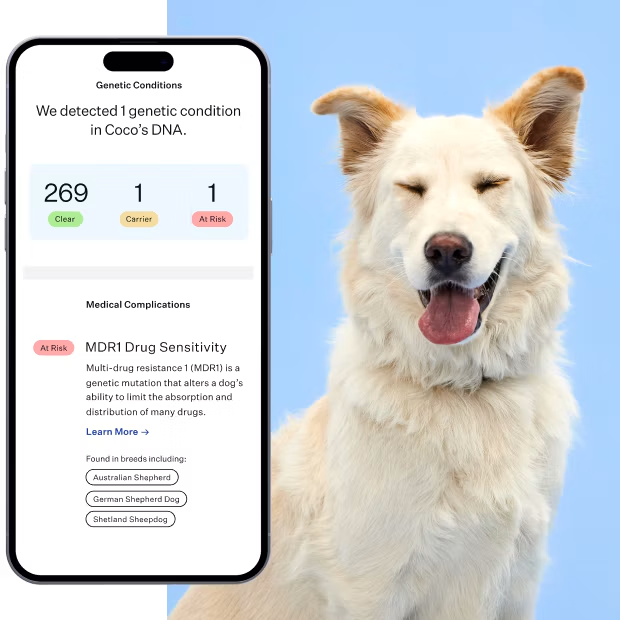
The MDR1 gene variant causes a defect to a drug pumping protein that plays an important role in limiting drug absorption and distribution (particularly to the brain). Dogs with the MDR1 variant may have severe adverse reactions to some commonly used medications.
Microphthalmia is an eye disorder present from birth where affected puppies to have abnormally small and underdeveloped eyes.
Mucopolysaccharidosis Type IIIA (MPS IIIA) is a disease of progressive incoordination, first in the pelvic legs and later progressing to all four legs. Leg movements become erratic when walking and affected dogs have difficulty balancing.
Mucopolysaccharidosis Type IIIA (MPS IIIA) is a disease of progressive incoordination, first in the hindlimbs and later progressing to all four legs. Leg movements become erratic when walking and affected dogs have difficulty balancing.
Mucopolysaccharidosis Type IIIB (MPS IIIB) is a disease of progressive incoordination, first in the hindlimbs and later progressing to all four legs. Leg movements become erratic when walking and affected dogs have difficulty balancing.
Mucopolysaccharidosis Type VII (MPS VII) is a disorder causing severe changes in skeletal structure, with joint hyperlaxity.
Mucopolysaccharidosis Type VII (MPS VII) is a disorder causing hind limb weakness (progressing to incoordination in all legs), growth retardation, facial and other skeletal abnormalities, and corneal clouding.
Mucopolysaccharidosis (MPS) VI is a severe metabolic disorder that can lead to stunted growth and progressive skeletal deformities. The associated genetic variant has been identified in the Miniature Pinscher.
Muscular Dystrophy is a severe disorder that causes muscle breakdown and weakness. DMD is characterized by a curve to the dog's back and a crouched posture. It typically affects males, although some females may also show some muscle weakness as well.
Muscular Dystrophy is a severe disorder that causes muscle degeneration and weakness due to the formation of excess connective tissue in the muscle.
Muscular Dystrophy is a severe disorder that causes muscle degeneration and weakness due to the formation of excess connective tissue in the muscle. This variant (UCMD) was discovered in the Labrador Retriever.
Muscular Dystrophies are a group of progressive disorders leading to muscular dysfunction. This form leads to movement difficulties from a young age due to increasing muscle weakness.
This form of Muscular Dystrophy is a disease of progressive muscular weakness, respiratory problems, and cardiomyopathy (heart disease).
Muscular Dystrophy-Dystroglycanopathy (MDD) is a type of muscular disorder that causes a failure to thrive in puppies. It is characterized by eating difficulties, poor weight gain, stunted growth, and weakness. The associated genetic variant has been identified in the Labrador Retriever.
Muscular Hypertrophy (Double Muscling) is a condition where the muscles of the body become much larger and more pronounced than normal, due to a defect in a gene that helps to regulate muscle growth.
Musladin-Lueke Syndrome (MLS) is a disorder affecting the development and structure of connective tissue that is characterized by stiff joints, an abnormal facial expression, and thick, tight skin.
Myeloperoxidase Deficiency is a condition causing an increased susceptibility to fungal and bacterial infections. This is due to a defect of an important enzyme present in the white blood cells of the immune system.
Myotonia Congenita is a muscle disorder affecting dogs from birth. The condition causes affected dogs to have muscles that contract and cramp easily.
Myotonia congenita is a muscle disorder that affects dogs from birth, causing stiff movement and delayed relaxation of muscles after exercise.
Myotonia congenita is a muscle disorder that affects dogs from birth, causing stiff movement and delayed relaxation of muscles after exercise.
Myotubular Myopathy is a disorder that affects the muscle cells. This starts with an early-onset hind limb weakness, progressing to an inability to move.
Narcolepsy is a sleep disorder that causes sudden attacks of sleep due to the brain's inability to regulate REM sleep.
Narcolepsy is a sleep disorder that causes sudden attacks of sleep due to the brain's inability to regulate REM sleep.
Nemaline myopathy is a muscle disorder characterized by defects to muscle fibers causing weakness and tremors.
Neonatal Cerebellar Cortical Degeneration (NCCD) is a disease of uncoordinated movements and loss of balance that is present from birth.
Neonatal Encephalopathy with Seizures (NEWS) is a disorder that affects the development of the balance and movement center of the brain.
Neuroaxonal Dystrophy is a neurodegenerative disorder. Signs of this disease include movement abnormalities, abnormal vocalization, incontinence, and behavioral changes.
Neuroaxonal dystrophy (NAD) comprises a group of rare neurodegenerative disorders. NAD in the Papillon is characterized by an abnormal gait, blindness, tremors, and collapse.
Neuroaxonal dystrophy is a neurodegenerative disorder causing uncoordinated movement and gait (walking/running pattern) changes.
Neuronal Ceroid Lipofuscinosis 1 (NCL1) is a neurological disease, with typical signs of rapidly progressing vision impairment, ataxia (uncontrolled movements), and behavioral changes, such as anxiety, sound sensitivity, and inability to recognize familiar individuals.
Neuronal Ceroid Lipofuscinosis 12 (NCL12) is a late onset progressive disease causing uncoordinated movements and behavioral changes.
Neuronal Ceroid Lipofuscinosis Type 4A is a neurodegenerative disorder causing progressive loss of balance and coordination.
Neuronal Ceroid Lipofuscinosis 5 (NCL5) is a progressive neurological disorder characterized by uncoordinated movements, behavioral changes, vision loss, and epileptic seizures. The associated genetic variant has been identified in the Border Collie.
Neuronal Ceroid Lipofuscinosis 5 (NCL5) is a progressive neurological disorder characterized by uncoordinated movements, behavioral changes, vision loss, and epileptic seizures. The associated genetic variant has been identified in the Golden Retriever.
Neuronal Ceroid Lipofuscinosis 7 (NCL7) is a progressive disease affecting behavior, movement, and vision, with a risk of epileptic seizures in later stages.
Neuronal Ceroid Lipofuscinosis 8 (NCL8) is a progressive disease causing uncoordinated movements, behavioral changes, vision loss, and epileptic seizures.
Neuronal Ceroid Lipofuscinosis 8 (NCL8) is a progressive disease causing uncoordinated movements, behavioral changes, vision loss, and epileptic seizures.
Neuronal Ceroid Lipofuscinosis 8 (NCL8) is a progressive disease causing uncoordinated movements, behavioral changes, vision loss, and epileptic seizures.
Neuronal Ceroid Lipofuscinosis 8 (NCL8) is a progressive neurologic disease characterized by uncoordinated movements, behavioral changes, vision loss, and seizures.
A number of factors can affect appetite and risk of obesity. This particular test detects a mutation in the POMC gene, known to regulate appetite, that has been associated with increased appetite and obesity in dogs. The associated genetic variant has been identified in the Labrador Retriever and Flat-Coated Retriever. The clinical significance of this variant in dogs of other ancestry is not yet clear.
Osteochondrodysplasia is a disorder of bone and cartilage development resulting in stunted growth, misshapen limbs, and abnormal movement.
Osteochondromatosis is a condition causing benign bone tumors, called osteochondromas, to form during puppyhood.
Osteogenesis Imperfecta (OI) is a disease of fragile bones and loose joints.
Osteogenesis Imperfecta (OI) is a disease of fragile bones and loose joints.
This is a bleeding disorder due to a blood protein (P2RY12) defect and was first described in Greater Swiss Mountain Dogs.
Palmoplantar Hyperkeratosis is an inherited skin disorder characterized by hard, thickened, and cracked paw pads. Affected dogs also have an increased predisposition for skin allergies and recurrent skin and ear infections. The associated genetic variant has been identified in the Rottweiler.
Paroxysmal dyskinesia (PxD) is a neurological disorder causing episodes of abnormal tone or movement of limbs. Affected dogs seem normal between these episodes.
Persistent Müllerian Duct Syndrome (PMDS) is a disorder of sexual development affecting male dogs, where a uterus and other female sex organs develop in otherwise externally normal-appearing male dogs.
Phosphofructokinase Deficiency (PFK) is a disorder where an enzyme important in the production of energy from sugars is lacking, resulting in weakness, muscle cramps, discolored urine, anemia, and jaundice.
Pituitary Dwarfism is a hormone disorder characterized by stunted growth and coat abnormalities, such as a retained puppy coat or excessive coat thinning. The associated genetic variant has been identified in the Karelian Bear Dog.
Polycystic Kidney Disease (PKD) is a condition causing formation of cysts in the kidneys which leads to chronic kidney failure.
Prekallikrein Deficiency is a disorder which causes blood to take a longer time to clot.
Primary Ciliary Dyskinesia (PCD) is a disorder found to affect formation of the tiny hairs in the respiratory system called cilia, resulting in recurrent respiratory tract infections. As cilia throughout the various body systems are affected, it can also impact hearing and cause infertility in males.
Primary ciliary dyskinesia (PCD) is a disorder that causes a defect in the formation of cilia, tiny hair-like projections, found on cells in the respiratory system, reproductive system, ear and nervous system. Clinical signs of PCD are recurrent infections of the respiratory tract and fertility problems.
Primary Lens Luxation (PLL) is a condition that can cause the lens of the eye to become loose and eventually displace. The disorder is caused by degeneration of the fibers that hold the lens in place.
Primary Open Angle Glaucoma (POAG) is a disorder that results in an increase in eye pressure, leading to damage to the optic nerve and retina, and blindness if left untreated.
Primary Open Angle Glaucoma (POAG) is a disorder that results in an increase in eye pressure, leading to damage to the optic nerve and retina, and blindness if left untreated.
Primary Open Angle Glaucoma (POAG) is a disease where the pressure in the eye increases, causing pain and leading to blindness if untreated. The same mutation can also cause lens luxation (LL), or displacement of the lens in the eye.
Progressive early-onset cerebellar ataxia is a disorder of the nervous system that causes ataxia (uncoordinated movements) and loss of balance.
Progressive retinal atrophy (PRA) is an eye disorder where the light sensing retina at the back of the eye degenerates, causing progressive vision loss and eventual blindness.
Progressive Retinal Atrophy (PRA) is an inherited disorder that results in degeneration of the light sensing retina at the back of the eye, leading to progressive vision loss and eventual blindness. Golden Retriever PRA, Type 2 (GR-PRA2) is a late onset form, with the average age of diagnosis being 6 years old. The associated genetic variant has been identified in the Golden Retriever.
Golden Retriever progressive retinal atrophy 1 (GR-PRA1) is an inherited eye disorder which causes degeneration of the light sensing retina at the back of the eye, resulting in progressive loss of vision.
Progressive Retinal Atrophy (PRA) is an inherited disorder that results in degeneration of the light sensing retina at the back of the eye, leading to progressive vision loss and eventual blindness. The associated genetic variant has been identified in the Lapponian Herder.
Progressive retinal atrophy (PRA) is a disorder where the light sensing retina at the back of the eye degenerates resulting in vision loss.
Progressive Retinal Atrophy (PRA) is a disorder that causes the degeneration of the light sensing retina at the back of the eye, resulting in vision loss.
Progressive Retinal Atrophy (PRA) is an eye disease resulting in gradual loss of vision. Dogs with this form of the disease can show additional features including a wavy, atypical coat texture, an upturned nose and dental defects.
Progressive Retinal Atrophy (PRA) is a disorder that causes the degeneration of the light sensing retina at the back of the eye, resulting in vision loss and eventual blindness.
Progressive Retinal Atrophy (PRA) causes the light sensitive photoreceptor cells in the eye to degenerate, leading to night blindness.
Progressive retinal atrophy (PRA) is a disorder where the light sensing retina at the back of the eye degenerates, resulting in vision loss.
PRCD is a particularly common form of progressive retinal atrophy (PRA) and is found in many breeds and mixed breed dogs. PRA is caused by the degeneration of photoreceptor cells of the retina resulting in progressive vision loss and eventual blindness.
Protein Losing Nephropathy (PLN) is a disorder in which affected dogs lose protein through their kidneys, leading to kidney failure over time. This variant has been identified in Airedale Terriers and Soft Coated Wheaten Terriers.
Pyruvate Dehydrogenase Phosphatase 1 (PDP1) Deficiency is a metabolic disorder characterized by exercise intolerance.
Pyruvate kinase deficiency (PKD) is a disorder that causes anemia due to the breakdown of red blood cells.
Pyruvate Kinase Deficiency (PKD) is a disorder that causes anemia due to the breakdown of red blood cells.
Pyruvate Kinase Deficiency (PKD) is a disorder that causes anemia due to the breakdown of red blood cells.
Pyruvate Kinase Deficiency (PKD) is a disorder that causes anemia due to the breakdown of red blood cells.
Long QT Syndrome (LQTS) is a rare cardiac disease that causes an irregular heart beat and has been associated with sudden death in the English Springer Spaniel.
Renal Cystadenocarcinoma and Nodular Dermatofibrosis (RCND) is a canine kidney cancer syndrome.
Rod-Cone Dysplasia 1 (rcd1) is an inherited eye disorder that results in blindness, and was identified in Irish Setters and Irish Red and White Setters.
Rod-Cone Dysplasia (rcd1a) is an eye disorder affecting the development of retinal photoreceptors at the back of the eye, resulting in vision loss.
Rod-Cone Dysplasia 3 (rcd3) is an eye disorder affecting the development of retinal photoreceptors at the back of the eye, resulting in vision loss.
Sensorineural Deafness is a disorder characterized by hearing loss in both ears by the time an affected dog is a few months of age. The associated genetic variant has been identified in the Rottweiler.
Sensory neuropathy is a rare, severe neurological disorder caused by the degeneration of nerve cells. Affected dogs lack pain sensation, resulting in injury and self harm.
Severe Combined Immunodeficiency (SCID) is a dysfunction of the immune system, that leaves affected dogs prone to infection.
Autosomal Recessive Severe Combined Immunodeficiency (ARSCID) is a severe immunodeficiency disorder discovered in Jack Russell Terriers, that leaves affected dogs prone to infection.
Spongiform LeucoEncephaloMyelopathy (SLEM) is a disorder commonly known as shaking puppy syndrome. Affected pups show severe body tremors, which are generally first noted when the puppy begins to try to walk.
Skeletal Dysplasia 2 (SD2) is an abnormality of the skeleton that results in mild dwarfism.
Spinocerebellar Ataxia is a disease of the nervous system characterized by uncoordinated movements and impaired balance. This variant (ATX) was characterized in Dachsbracke dogs.
Spinocerebellar Ataxia also known as Late Onset Ataxia (LOA) is a disease of the nervous system characterized by uncoordinated movements and impaired balance.
Spinocerebellar Ataxia with Myokymia and/or Seizures (SAMS) is a disease of the nervous system characterized by uncoordinated movements and impaired balance. This particular form may present with muscle twitching and seizures.
Spongy Degeneration with Cerebellar Ataxia (SDCA) is an early onset disease of poor coordination, muscle twitching and seizures.
Spongy Degeneration with Cerebellar Ataxia (SDCA2) is an early onset disease of loss of coordination, seizures, circling, and blindness.
Stargardt Disease (STGD) is a form of late onset retinal degeneration, resulting in loss of the light detecting cells at the back of the eye and progressive vision loss.
Startle Disease, also known as hyperekplexia, is a rare muscle cramping disorder. Signs of the disease can be seen in very young puppies, and include muscle stiffness and tremors when handled.
Startle Disease, also known as inherited hyperekplexia, is a progressive neurological disorder characterized by sudden and exaggerated startle responses to unexpected sensory stimuli, such as touch or sound. The associated genetic variant has been identified in the Miniature American Shepherd.
Succinic Semialdehyde Dehydrogenase Deficiency (SSADHD) is a neurologic disorder characterized by seizures, uncoordinated movements, and abnormal behaviors, such as vocalization episodes. The associated genetic variant has been identified in the Saluki.
Thrombopathia is an inherited bleeding disorder characterized by recurrent nosebleeds, bleeding of the gums, and bruising easily. The associated genetic variant has been identified in the Basset Hound.
Thrombopathia is an inherited bleeding disorder characterized by recurrent nosebleeds, bleeding of the gums, and bruising easily. The associated genetic variant has been identified in the Eskimo Spitz.
Trapped Neutrophil Syndrome (TNS) is a disorder of the white blood cells first identified in Border Collies.
Van den Ende-Gupta Syndrome (VDEGS) is a condition that can cause severe skeletal abnormalities. The most common ones noted are severe patella luxation (dislocated kneecap) and severe underbite.
von Willebrand's Disease (vWD) Type 1 is a blood clotting disorder that typically causes mild bleeding tendencies although some affected dogs may have more severe signs. It is the result of low levels of von Willebrand's factor, a blood protein that helps stabilize blood clots.
von Willebrand's Disease (vWD) type 2 is a blood clotting disorder that causes moderate to severe bleeding tendencies due to low level and abnormal structure of von Willebrand's factor.
von Willebrand's Disease (vWD) Type 3 is a clotting disorder that causes severe bleeding tendencies in affected dogs.
von Willebrand's Disease (vWD) Type 3 is a clotting disorder that causes severe bleeding tendencies in affected dogs.
von Willebrand's Disease (vWD) Type 3 is a clotting disorder that causes severe bleeding tendencies in affected dogs.
X-linked Ectodermal Dysplasia (XHED) is a disorder causing skin, dental, and immune system problems.
X-Linked Hereditary Nephropathy (XLHN) is a kidney disorder, leading to kidney failure.
X-Linked Hereditary Nephropathy (XLHN) is a kidney disorder, leading to kidney failure.
X-linked Myotubular Myopathy (XLMTM) is a condition of the muscles that results in trouble eating, breathing, and moving around.
X-Linked Progressive Retinal Atrophy 1 (XLPRA1) causes degeneration of the light detecting retina at the back of the eye, resulting in loss of vision.
X-Linked Progressive Retinal Atrophy 2 (XLPRA2) causes early-onset degeneration of the light detecting retina at the back of the eye, resulting in loss of vision.
X-linked Severe Combined Immunodeficiency (XSCID) is a severe dysfunction of the immune system, that leaves affected dogs prone to infection.
X-linked Severe Combined Immunodeficiency (XSCID) is a severe dysfunction of the immune system, that leaves affected dogs prone to infection.
X-Linked Tremors is a neurologic disorder where affected dogs lack the protective covering over the nerves of the central nervous system, resulting in tremors and often leading to premature death.
Xanthinuria can cause formation of stones throughout the upper and lower urinary tracts, including the urethra, bladder, ureters, and kidneys. These stones can result in pain, bloody urine, infection and blockage of the urinary tract.
Xanthinuria can cause formation of stones throughout the upper and lower urinary tracts, including the urethra, bladder, ureters, and kidneys. These stones can result in pain, bloody urine, infection and blockage of the urinary tract.
Xanthinuria can cause formation of stones throughout the upper and lower urinary tracts, including the urethra, bladder, ureters, and kidneys. These stones can result in pain, bloody urine, infection and blockage of the urinary tract.
Wisdom Panel™ Complete for Cats has over 45 tests for health conditions.
Acute Intermittent Porphyria (AIP) is caused by faulty enzyme activity and results in brownish discoloration of the teeth and urine in affected cats.
Acute Intermittent Porphyria (AIP) is caused by faulty enzyme activity and results in brownish discoloration of the teeth and urine in affected cats.
Acute Intermittent Porphyria (AIP) is caused by faulty enzyme activity and results in brownish discoloration of the teeth and urine in affected cats.
Acute Intermittent Porphyria (AIP) is caused by faulty enzyme activity and results in brownish discoloration of the teeth and urine in affected cats.
Acute Intermittent Porphyria (AIP) is caused by faulty enzyme activity and results in brownish discoloration of the teeth and urine in affected cats.
Autoimmune Lymphoproliferative Syndrome is a disease of the immune system which can cause the lymph nodes to become severely enlarged.
Burmese Head Defect causes severe facial defects when two copies of the variant are present, and affected cats require humane euthanasia shortly after birth.
Chediak-Higashi Syndrome (CHS) is a metabolic disorder that causes partial albinism, prolonged bleeding, sensitivity to light and cataracts to develop at a young age.
Congenital Adrenal Hyperplasia is an endocrine disorder which leads to aggression, abnormalities of the genitalia, and excessive drinking and urination.
Congenital Erythropoietic Porphyria (CEP) is caused by faulty enzyme activity and results in brownish discoloration of the teeth and urine in affected cats.
Congenital Myasthenic Syndrome (CMS) is a condition that causes muscle weakness and fatigue.
Cystinuria is a condition that predisposes cats to form cystine crystals and stones within the urinary tract, which can then cause irritation and blockage.
Cystinuria is a condition that predisposes cats to form cystine crystals and stones within the urinary tract, which can then cause irritation and blockage.
Cystinuria is a condition that predisposes cats to form cystine crystals and stones within the urinary tract, which can then cause irritation and blockage.
Cystinuria is a condition that predisposes cats to form cystine crystals and stones within the urinary tract, which can then cause irritation and blockage.
Dihydropyrimidinase Deficiency is a condition that causes tiredness, weakness, vomiting, and high levels of ammonia in the blood.
The Earfold and Osteochondrodysplasia variant results in the breed defining folded ears of Scottish Fold cats and is associated with skeletal malformations and arthritis.
Factor XII Deficiency, also known as Hageman trait, is an asymptomatic blood factor deficiency. While it does not cause an abnormal tendency to bleed, it can be observed as prolonged blood clotting times during certain laboratory screening tests.
Factor XII Deficiency, also known as Hageman trait, is an asymptomatic blood factor deficiency. While it does not cause an abnormal tendency to bleed, it can be observed as prolonged blood clotting times during certain laboratory screening tests.
Familial Episodic Hypokalemic Polymyopathy causes episodes of muscle weakness and pain.
Glutaric Aciduria Type II causes loss of appetite, vomiting and seizures in young cats.
Glycogen Storage Disease results in low blood sugar levels leaving kittens and young cats weak. The condition leads to muscle wasting, seizures and cardiac failure.
GM1 Gangliosidosis causes muscle tremors, uncoordinated movements, and blindness.
GM2 Gangliosidosis causes muscle tremors, uncoordinated movements, difficulty eating, and blindness.
GM2 Gangliosidosis Type II causes muscle tremors, uncoordinated movements, difficulty eating, and blindness.
GM2 Gangliosidosis Type II causes muscle tremors, uncoordinated movements, difficulty eating, and blindness.
GM2 Gangliosidosis Type II causes muscle tremors, uncoordinated movements, difficulty eating, and blindness.
Hemophilia B, or Factor IX Deficiency, is a blood clotting disorder that can result in tiredness, decreased appetite, fever, lameness, and prolonged bleeding times after injury, trauma or surgery.
Hemophilia B, or Factor IX Deficiency, is a blood clotting disorder that can result in tiredness, decreased appetite, fever, lameness, and prolonged bleeding times after injury, trauma or surgery.
Hyperoxaluria Type II is a kidney disorder leading to severe weakness and kidney failure in young cats.
Hypertrophic Cardiomyopathy (Discovered in the Maine Coon) is a disorder in which the heart muscle wall increases in thickness, eventually leading to heart failure.
Hypertrophic Cardiomyopathy (Discovered in the Ragdoll) is a disorder where the heart muscle wall increases in thickness, eventually leading to heart failure.
Hypotrichosis is a disorder of the immune system causing kittens to be born hairless and to develop serious infections.
Lipoprotein Lipase Deficiency is a metabolic disorder that causes decreased body mass and reduced growth rates in affected kittens and can cause stillbirths in affected queens.
MDR1 Medication Sensitivity is a disorder caused by a defect to a drug pumping protein that plays an important role in limiting drug absorption and distribution (particularly to the brain). Cats with the MDR1 variant may have severe adverse reactions to some commonly used medications.
Mucopolysaccharidosis Type I is a disorder causing failure to thrive, facial and other skeletal abnormalities, tremors, and clouding of the eyes.
Mucopolysaccharidosis Type VI is a rare disorder causing dwarfism, degenerative joint disease, and clouding of the eyes.
Mucopolysaccharidosis Type VI Modifier causes a mild degenerative joint disease, but only if one copy of Mucopolysaccharidosis Type VI is also present.
Mucopolysaccharidosis Type VII is a disorder causing weakness, growth retardation, facial and other skeletal abnormalities, and clouding of the eyes.
Mucopolysaccharidosis Type VII is a disorder causing weakness, growth retardation, facial and other skeletal abnormalities, and clouding of the eyes.
Myotonia Congenita is a condition that results in stiff movement and delayed relaxation of muscles after exercise.
Polycystic Kidney Disease (PKD) is the most common inherited disease in cats. The disease causes the formation of fluid-filled cysts in the kidneys that can lead to kidney failure.
Progressive Retinal Atrophy (Discovered in the Abyssinian) is a disorder that causes degeneration of the light sensing retina at the back of the eye, resulting in vision loss.
Progressive Retinal Atrophy (Discovered in the Bengal) is a disorder that causes degeneration of the light sensing retina at the back of the eye, resulting in vision loss.
Pyruvate Kinase (PK) Deficiency is a disorder that causes anemia due to the breakdown of red blood cells.
Sphingomyelinosis causes progressive incoordination and tremors, enlargement of the spleen and liver, and changes in the lungs.
Sphingomyelinosis causes progressive incoordination and tremors, enlargement of the spleen and liver, and changes in the lungs.
Vitamin D-Dependent Rickets results in skeletal abnormalities caused by low blood calcium levels.

Understanding the conditions
Understanding the conditions
Screening for 270+ health conditions enables you and your veterinarian to stay on top of your dog’s care throughout their life. Common health conditions that we screen for include Chondrodystrophy (CDDY) and Intervertebral Disc Disease (IVDD) Risk (which has been found in 1 in 5 dogs in the Wisdom Panel database, and is common in short legged dogs such as Dachshunds and French Bulldogs) and Multidrug Resistance Mutation 1 (MDR1) (which is most common in herding breeds such as Collies, Sheepdogs, and Shepherd dogs).
Screening for 270+ health conditions enables you and your veterinarian to stay on top of your dog’s care throughout their life. Common health conditions that we screen for include Chondrodystrophy (CDDY) and Intervertebral Disc Disease (IVDD) Risk (which has been found in 1 in 5 dogs in the Wisdom Panel database, and is common in short legged dogs such as Dachshunds and French Bulldogs) and Multidrug Resistance Mutation 1 (MDR1) (which is most common in herding breeds such as Collies, Sheepdogs, and Shepherd dogs).
Additional resources
Additional resources
Head to our blog for in-depth information on dog and cat genetic health, or click the links below to get started.
Head to our blog for in-depth information on dog and cat genetic health, or click the links below to get started.
